Churches of Little Falls and Morrison County
The churches here are the settlement written in brick. German and Polish Catholic immigrants built most of them, and a missionary priest named Francis Pierz is the reason many of them exist.
Because of who settled it. In the 1850s the missionary priest Father Francis Xavier Pierz recruited German Catholic families to the "Rich Prairie" east of the Mississippi, and Polish and Kashubian Catholics settled the west and south of the county soon after. Their parishes — St. Mary's and Our Lady of Lourdes in Little Falls, and landmark churches in Pierz, Bowlus, and Sobieski — still anchor their towns.
Two parishes in Little Falls
Little Falls sits on both banks of the Mississippi, and for a long time its Catholic life was split by the river. St. Mary's Catholic Church traces to the older east-side congregations; the parish was organized under the patronage of Mary in 1943, from the merger of the earlier St. Francis Xavier and Sacred Heart parishes.
Our Lady of Lourdes, on West Broadway, was the west side's answer. A group of Polish immigrants organized the parish in 1917 and first worshiped in a remodeled hotel, the old Antler's, because until then every Catholic parish in town stood on the east bank. Today both belong to the Haven of Mercy group of Catholic parishes, which also covers Randall, Flensburg, and Sobieski.
The landmark churches of the county
The most striking church buildings are in the small towns, where a single parish often defined the whole community. Three are worth knowing:
- St. Joseph's, Pierz — built 1886 to 1888 and dedicated on Christmas Day, it was added to the National Register of Historic Places in 1985. It remains the center of a town that is still mostly of German Catholic descent.
- St. Stanislaus Kostka, Bowlus — built around 1909 for the town's Silesian Polish settlers, with room for 400. The parish came before much of the town did.
- St. Stanislaus, Sobieski — rooted in the Polish community that settled western Morrison County in the 1870s and named for the patron saint of Poland.
Smaller congregations tell the same story on a smaller scale. In Randall, St. Peter's Lutheran organized in 1895 and St. James Catholic in 1896, within a few years of the town's founding.
The priest behind the pattern
Nearly every thread here runs back to one man. Father Francis Xavier Pierz was a Slovenian missionary who came to Minnesota in the early 1850s to work among the Ojibwe. When he saw the fertile country of central Morrison County, he wrote home to Europe urging Catholic families to emigrate, and they came — German farmers to Rich Prairie, Polish families to the river towns. The county's Catholic map is essentially his recruiting map. The town of Pierz is named for him.
Beyond the Catholic parishes
The county is not only Catholic. Lutheran congregations and other Protestant churches serve Little Falls and the surrounding towns, part of the same wave of Northern European settlement. For current service times and locations, contact the individual churches or the Haven of Mercy Catholic parishes directly.
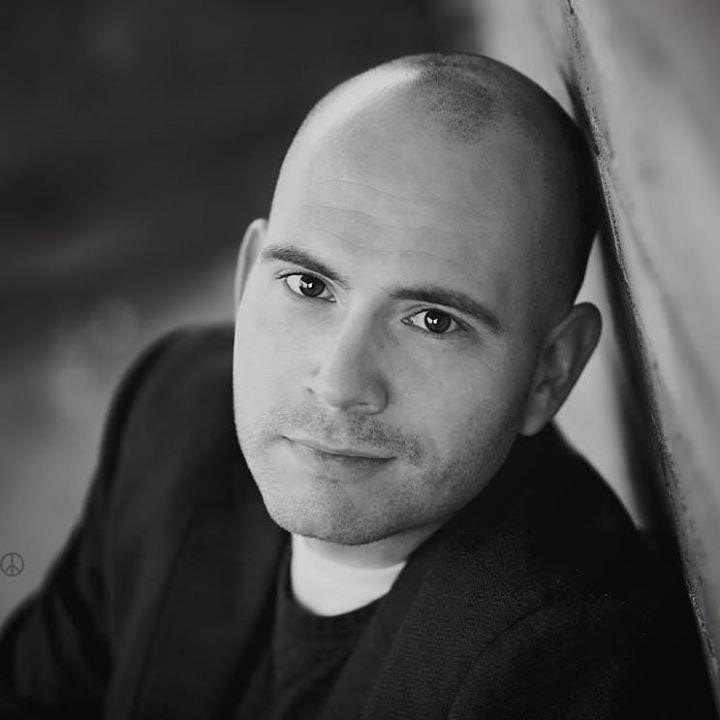
Michael Paycer
Michael Paycer grew up in Little Falls, Minnesota. Today he is a Senior SQL Server Database Administrator Consultant based in Saint Cloud, and he keeps this Little Falls guide as a personal project about his hometown.
Sources & further reading
- Haven of Mercy Catholic — Little Falls, Randall, Flensburg & Sobieski
- Visit Little Falls — St. Mary's Catholic Church
- Wikipedia — St. Joseph's Church (Pierz, Minnesota)
- Morrison County Historical Society
External sites are provided for reference. Event dates, hours, and admission change annually — confirm current details with the official source before visiting.